Costume Typeface: Elevating Handmade Brand Identity with Fresh Elegance
The studio is quiet, save for the hum of the printer and the soft scratch of a pen against paper. I am sitting at my desk, surrounded by swatches of kraft paper, rolls of vinyl, and a half-finished stack of candle labels. For weeks, I have been searching for that perfect balance between rustic warmth and modern sophistication for my new line of artisanal soy candles. The scent is lavender and cedar, so the visual identity needs to feel grounded yet airy. That is when I pulled up Costume, a stylish handwritten script font from Script Amp. It wasn’t just another typeface on the list; it felt like the missing piece of the puzzle.
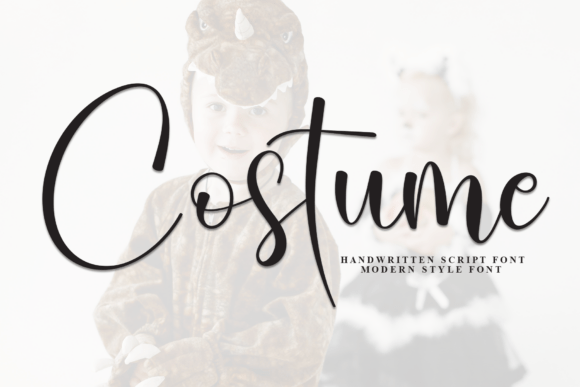
As a maker who spends hours designing product mockups and testing sticker sheets, I know that typography does more than convey information—it sets the mood. Costume radiates a fresh elegance and delicate charm that instantly elevates any design project. Its flowing strokes and graceful curves evoke a sense of renewal, making it an ideal choice for creators who want their products to feel personal, high-end, and inviting. Whether you are crafting wedding invitations, designing boutique packaging, or creating digital printables, understanding how to wield a creative font like Costume can transform your shop materials from simple listings into memorable brand experiences.
Visual Personality and Creative Appeal
What makes Costume stand out in the crowded world of digital fonts is its distinct personality. Unlike rigid, uniform scripts, this typeface breathes. It mimics the natural variation of hand-lettering without sacrificing legibility. The strokes vary in thickness, creating a dynamic rhythm that draws the eye across the text. This visual interest is crucial for handmade sellers because it adds depth to flat designs. When you place Costume on a label or a card, it doesn’t look like a generic template; it looks crafted.
The font’s delicate charm works particularly well for brands that want to communicate care and attention to detail. In the world of stationery design and editorial design, these subtle cues matter. A customer scrolling through Etsy or browsing a boutique website will pause if the typography feels intentional. Costume provides that intentionality. It suggests that the creator behind the product took time to curate every element, from the ink color to the kerning. This perceived quality can significantly impact customer recognition and emotional appeal, turning a casual browser into a loyal buyer.
Real-World Applications for Makers and Sellers
I recently tested Costume across several different product categories to see how it held up in real-world production. Here is how it performed in some of my most common projects:
- Candle Labels and Product Tags: For my lavender candles, I used Costume for the main scent name. Because the font has a slightly loose, organic feel, it paired beautifully with minimalist line-art illustrations of lavender sprigs. It looked elegant on small square stickers and equally stunning on larger hang tags attached with twine.
- Wedding Invitations and Stationery: Costume is perfect for display use on wedding invites. I used it for the couple’s names and the word "Wedding," letting the graceful curves do the heavy lifting. It added a touch of romance without feeling overly ornate or difficult to read.
- Printable Wall Art: When designing inspirational quotes for digital downloads, I found that Costume worked best as a focal point. It drew the viewer in immediately. However, I learned quickly that it needed support from simpler fonts to maintain balance.
- Boutique Packaging: For soap bars wrapped in cellophane, I used Costume for the brand logo. The flowing nature of the letters made the branding feel fluid and natural, aligning perfectly with the handmade ethos of the product.
These examples show that Costume is versatile enough for various applications, from physical merchandise like mugs and tote bags to digital assets like planner pages and social media graphics. Its adaptability makes it a valuable addition to any designer’s toolkit.
Design Strategy and Font Pairing
One of the biggest mistakes I see makers make is relying on a single font for an entire design. While Costume is striking, it is primarily a display font. It shines brightest when used for short phrases, names, titles, and decorative wording. Using it for long paragraphs of text can lead to readability issues, especially on small stickers or product labels where space is limited.
To maximize the impact of Costume, pair it with a clean sans serif font or a simple serif font. In my candle label design, I paired Costume with a light, geometric sans serif for the ingredients list and usage instructions. The contrast between the elegant script and the utilitarian sans serif created a harmonious hierarchy. The script caught the eye, while the sans serif provided clear, easy-to-read information. This combination enhances brand consistency and ensures that customers can easily find the details they need.
For seasonal craft designs, such as holiday tags or farmhouse signs, this pairing strategy remains effective. You might use Costume for the festive greeting ("Merry Christmas" or "Happy Harvest") and a bold display font or sturdy serif for the year or additional decorative elements. This layering technique adds depth and professionalism to your designs, making them stand out in a crowded marketplace.
Technical Considerations for Production
Before purchasing or using Costume for commercial products, there are practical steps every maker should take. First, check the included styles, alternates, ligatures, and swashes. These features allow you to customize the text and add unique flourishes that make your designs one-of-a-kind. For instance, using a specific alternate character for a letter in your brand name can create a custom logo effect.
Readability is paramount when designing for cutting machines like Cricut or Silhouette. If you plan to cut vinyl decals or intricate sticker sheets, ensure that the spacing (kerning) is appropriate. Tight spacing can cause the blades to cut through adjacent letters, ruining the design. Always test cut a small section before committing to a full run. Similarly, when preparing listing images for online shops, preview your designs at actual size. What looks great on a large monitor might become illegible on a mobile screen thumbnail.
Additionally, verify the file formats and multilingual support if your audience is global. Ensure you understand the commercial font licensing terms. Most premium fonts allow you to use them in physical products you sell, but restrictions may apply to reselling the font files themselves or using them in certain digital templates. Clear licensing protects your business and respects the work of the type designer.
Elevating Your Shop with Intentional Typography
Incorporating a thoughtful typeface like Costume into your workflow is not just about aesthetics; it is about communicating value. When your labels, cards, and packaging reflect a cohesive and polished design language, customers perceive your products as higher quality. They are more likely to share your items on social media, tag your shop, and return for future purchases.
As you prepare your next batch of handmade goods, take a moment to evaluate your typography. Are your fonts working together? Do they reflect the mood of your brand? By choosing a creative font that radiates fresh elegance and using it strategically alongside complementary typefaces, you can create a brand identity that resonates deeply with your audience. Costume offers the grace and charm needed to make your handmade creations shine, proving that even the smallest details in design can make the biggest difference in your success as a maker and seller.